交通事故後 車はどうすればいいの?
交通事故後、事故を起こしてしまった車はどうすればいいのか気になります。保険にロードサービスが付帯している場合には、それを利用して自分がいつもお世話になっている自動車修理工場に運んでもらうのが一番です。そして、その自動車修理工場で修理の見積もりなどを出してもらえば、事故後の保険の処理なども楽になります。
しかし加入している自動車保険によっては、レッカーできる距離制限があるため、自分の希望する自動車修理工場へレッカーすることが難しいこともあります。保険会社によって50kmまでという会社や、180kmまでというように、レッカーできる距離は大きく違ってきます。自分の加入している自動車保険ではどこまでなら無料になるのかをチェックしておきたいものです。また、事故で自走が出来なくなってしまっても、自動車保険の特約で車両保険に加入していれば、レッカーの料金も車両保険の補償対象となりますので、遠くに外出している時に事故を起こしてしまい、保険に付帯のロードサービスでは修理工場まで運ぶことができないという場合などは、保険に付帯のロードサービスではなく車両保険を利用し、車両保険に加入していないという場合には、保険に付帯しているロードサービスを利用するようにすると、レッカーの料金を別途支払いしなくても良くなります。
場合によっては警察が道路の状況などからレッカー車の手配をしてしまうことがありますが、そんな時にはその業者の情報をきちんと聞いておきましょう。後日、保険会社から清算してもらうように手続きを行うことができるケースがあります。すべての保険会社が対応してくれるわけではありませんので、確認は重要になります。
交通事故の示談交渉の流れ
交通事故全般の示談交渉に向けた内容は、対人や対物などしっかり考えてみる方針が必要です。
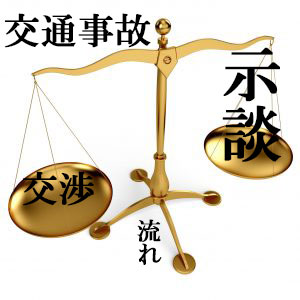
一瞬の気の緩みが思わぬ事故へ発展していくようになり、事故件数が増加している背景を知る点が重要となってきます。また破損状況で賠償請求の意味合いが変わっていくようになり、事故に巻き込まれた際は今後の動向をチェックしながら上限をうまく考えてみる行為が大事なのです。法律で定められた内容を見ることで、金額が明確になる条件や一般的な相場がいくらであるかを把握するヒントが生まれるため、冷静な対応をとる意識が大切です。
事故が発生してからの全体的な流れを把握しておけば、因果関係における出来事を把握する内容が重要となります。示談交渉へ向けた内容を見ていけば、事実を立証させる中身がはっきりします。車載カメラに証拠の映像が残っている場合は、交渉をスムーズに行うことが見込めるため、これからの流れを意識して提示することを前提に考える部分も必要になります。
全体像を掴むことができれば、交通事故に関連した内容がきちんと見えてきます。被害の状況を丁寧に説明できれば、警察が好意的な印象を持ち、示談へ向けた取り組みが前進していくこととなります。

交通事故の弁護士の費用
交通事故は、弁護士に相談して内容を比較しましょう。交通事故事件は、弁護士が活躍します。
ただ、どの弁護士でも良いわけではなく、交通事故に詳しい交通事故弁護士を確認して、交通事故を専門的に扱っている弁護士に相談するのが最もオススメです。相談件数や事件処理が多い弁護士が良いです。
運転中に事故が発生したケースはいくつもありますが、無免許運転における事故は補償が難しく、法的に解決するまで時間がかかっていくことが通例です。
また、ある事例では、帰宅途中に事故に遭遇した例で、被害者への謝罪が迅速に行われた背景があることから、スムーズに事が運んだという場合があります。
いずれの場合でもどちらに過失があるかを分析していくことが大事であるため、基本的な人身事故であれば賠償責任がどのようになるかを確認する姿勢が不可欠です。全体的な費用を見ておけば、交通事故の詳細がはっきりしていくので、一度信頼できる弁護士へ相談をすることが大切です。

交通事故では弁護士にアドバイスを求めましょう。
加害者からすれば、遺族への謝罪を第一に考えていけば、費用対効果の内容をしっかり見ておくことが重要です。
完全なる概要を紐解いていけば、弁護士とのやりとりや交通事故に万が一遭遇した場合に備えて総合的に分析判断していくことが大事になってきます。
利用できる場合は弁護士の無料相談を積極的に活用していくことが大切です。弁護士の費用は一回5千円が相場です。それが無料なので、安心ですね。
交通事故で警察を呼ばなかったら
いつどこで遭遇するかわからない交通事故で、
もしも警察を呼ばなかったら、後々辛いことになる可能性があります。
一番心配するべきことは、後に怪我などが発覚したときのことです。
自分か相手か、どちらに過失があるにせよ、
警察を呼ぶことで、それがはっきりとします。
なにより、交通事故が起きたことを証明できるのです。
しかし、どのような理由でも警察を呼ばなかったらば、交通事故自体が認められません。
そうなると、警察を呼んだときに、
もらえるはずだった「交通事故証明書」も受け取る事ができません。
後に怪我などが発覚したときに、事故当時は大したことがないからそのままで済ませたけれども、
治療をしなければいけないならば、相手に治療費と慰謝料を請求したい、と思っても出来ないのです。
交通事故で生じた怪我というのは、首などにダメージが及べば、
一生後遺症が残る危険性があります。
また、人だけでなく車のこともあります。
事故が起きたのですから、車体にはそれなりの損害が出ています。
そうなれば、修理をして多額の出費が必要となります。
このように後から治療費や修理費を補償してもらうために、
自動車保険を利用しようとしても、保険金をもらう手続きが出来ないのです。

その場で警察を呼ばなかったとしても、事故の当事者が警察に行けば、
事故の届け出を受け付けてくれる可能性があります。
無論、あまりに日数が経ちすぎると、実況見分が出来ませんから、
届けを断られるので、できるだけ早く警察に行くことです。